Ticao Island Tauchbasis
|Dive Shop
| Philippines

Total Rating
5.1 out of 6total of 2 Ratings
6 Stars
50%
5 Stars
50%
4 Stars
0%
3 Stars
0%
2 Stars
0%
1 Stars
0%
Rating by questions
Dive Spots
Guides
Service
Facilities
Boats
Detailed Ratings
Gerlinde und Hans
Travelled in: April 2026, Rated on 21.07.2026, Booked with Scuba Native TauchreisenOverall
Dive Spots
Guides
Service
Facilities
n.aBoats
The dive center is located at the far end of the resort. That’s also where the dive boats depart from. We brought our own gear, so we didn’t have to worry about it at all during our vacation. It’s loaded onto the boat in the morning and rinsed off by the guide after the dive. The guys on the boat even carried our cameras back to the bungalow for us after the dive.
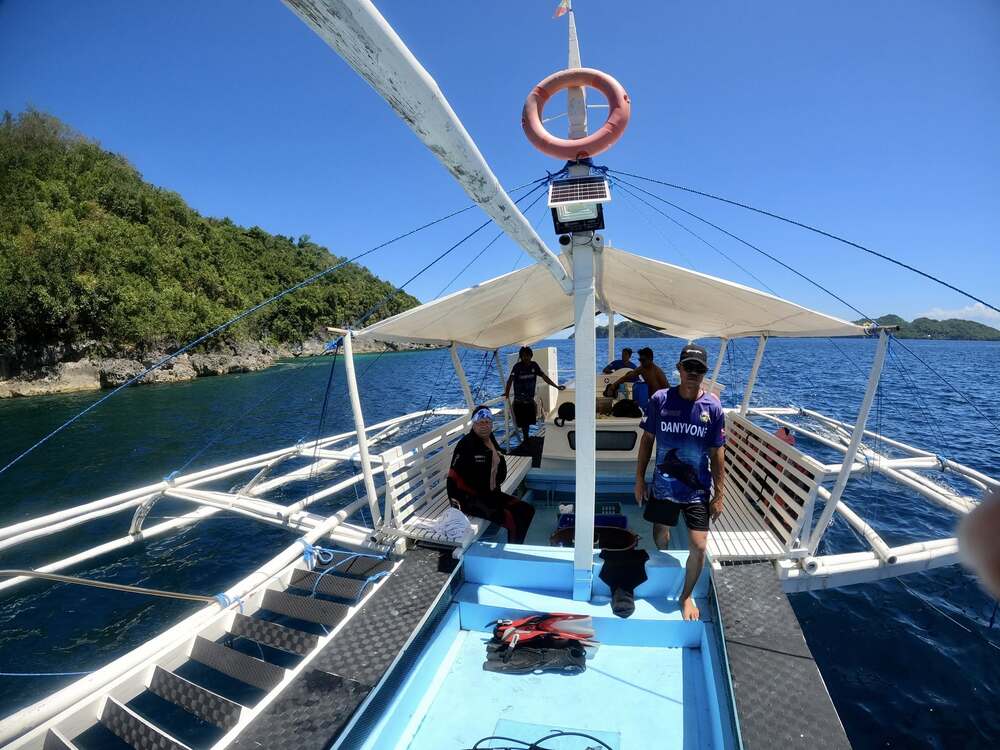
The dive boats are the typical outrigger boats. After the dive, you can easily get back on board via a sturdy ladder. All boats have a restroom. On board, there are towels, water, tea, coffee, fruit, and snacks. If you do three dives, lunch is served on the boat.
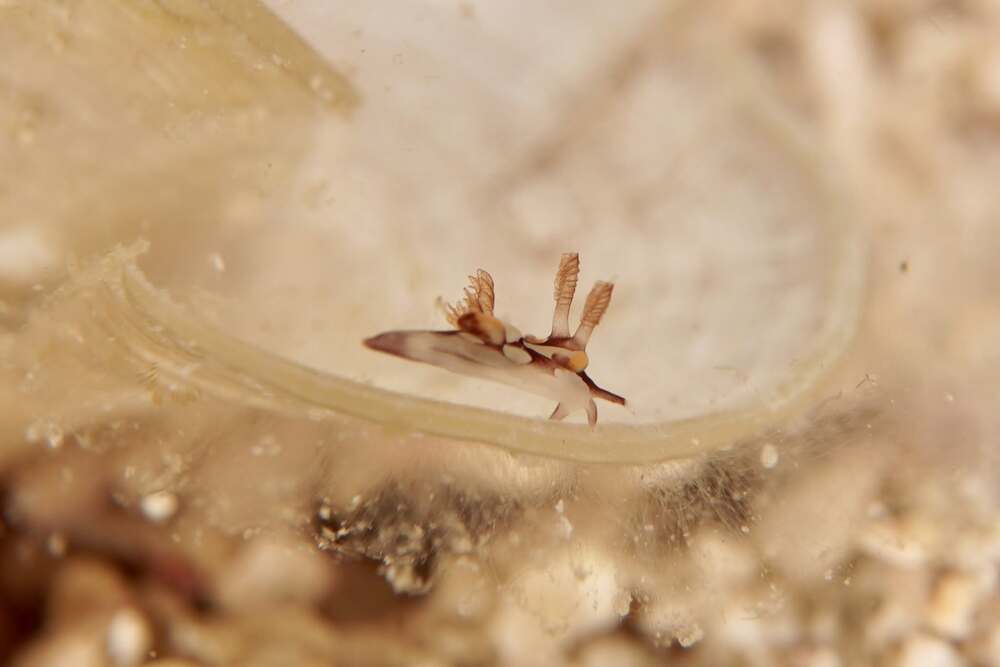
We had a great guide named Jan, who found even the tiniest creatures for us.
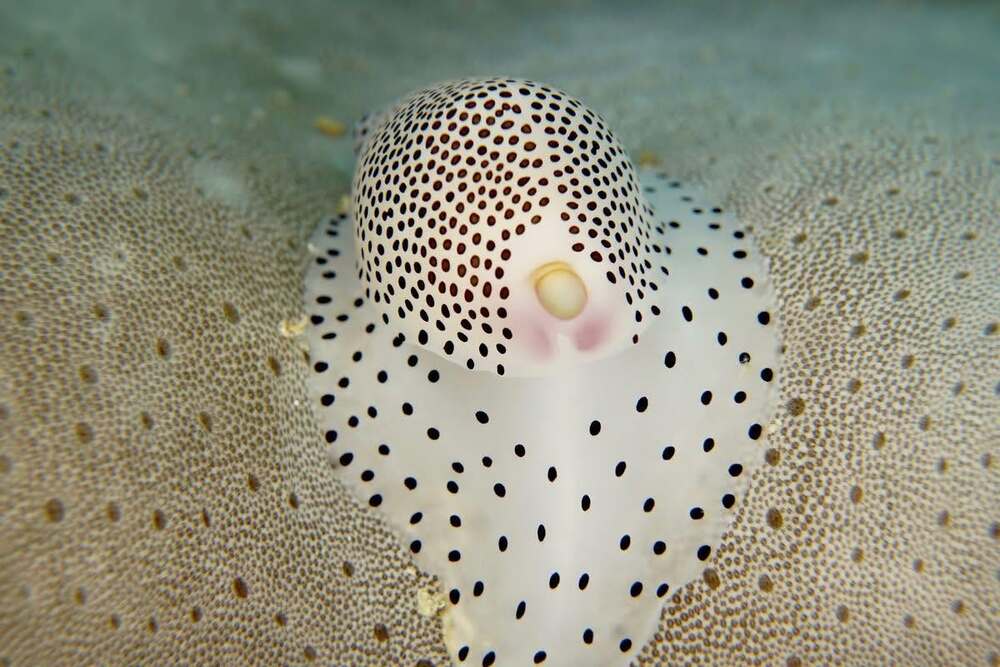
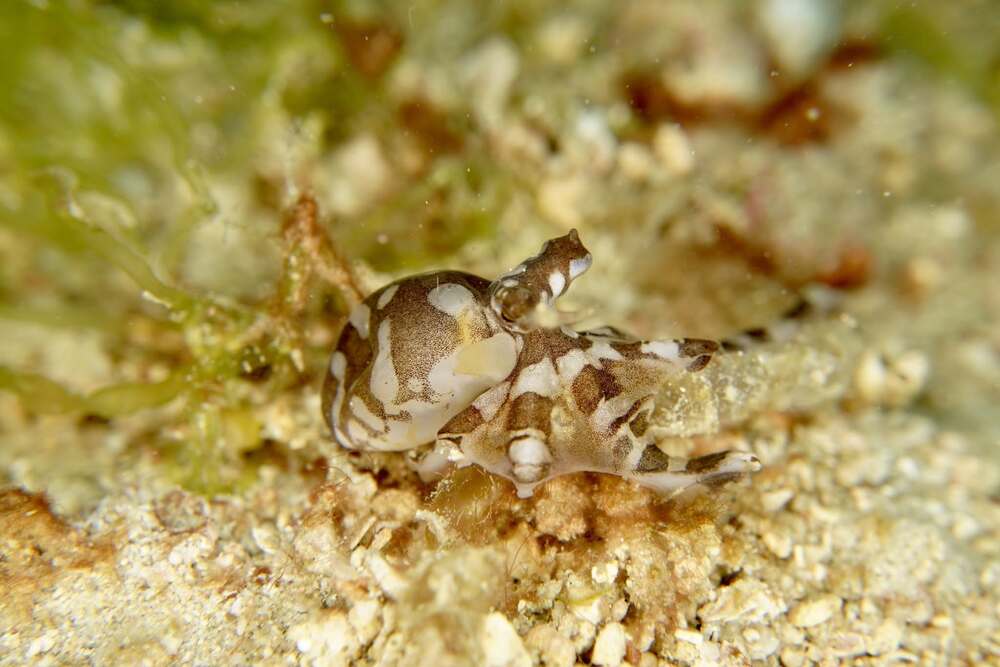
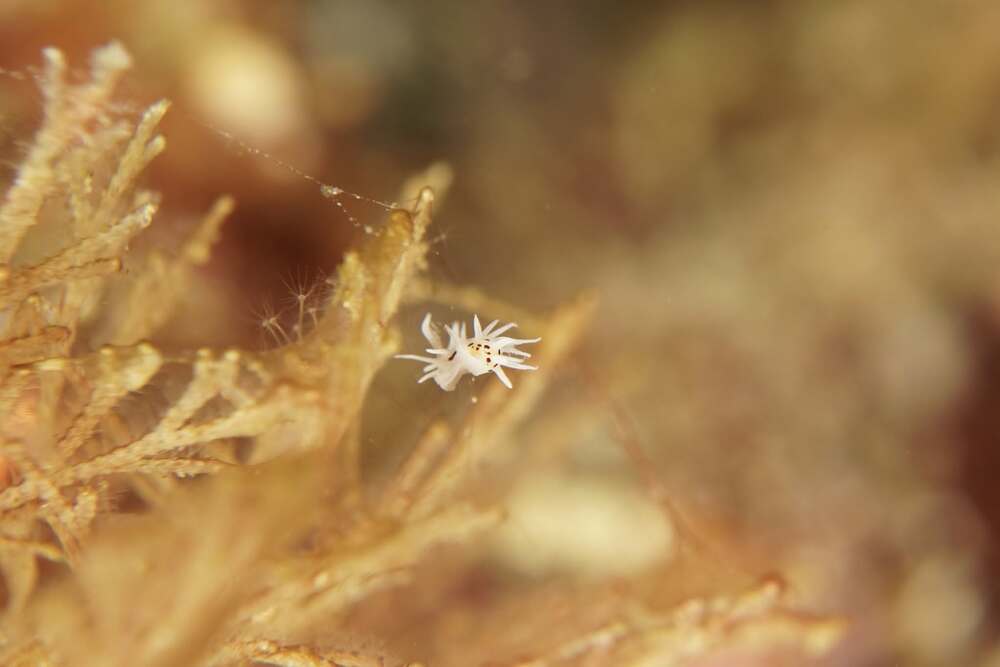
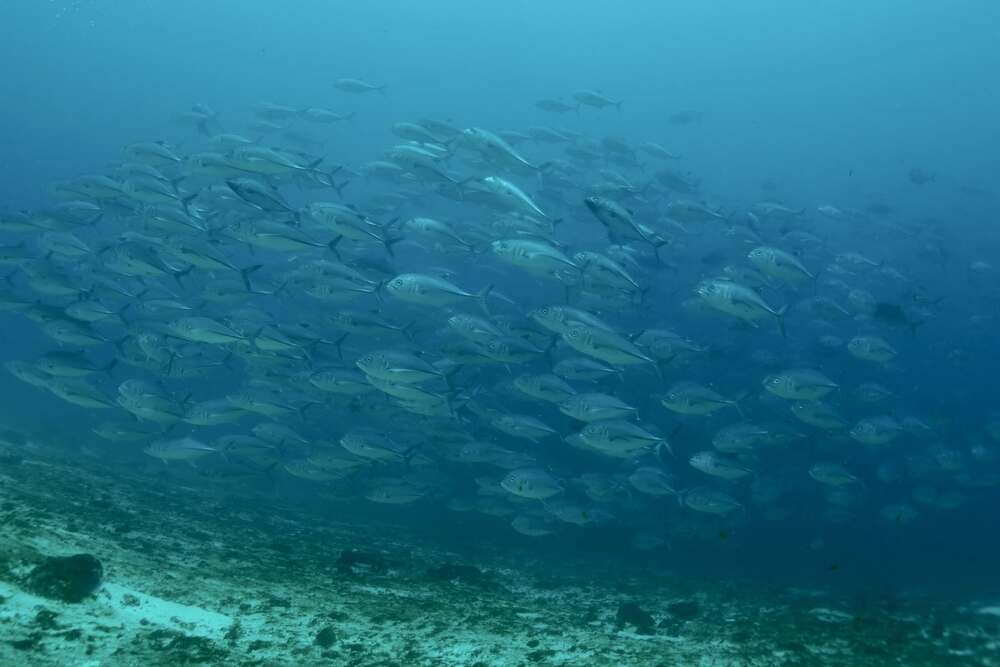
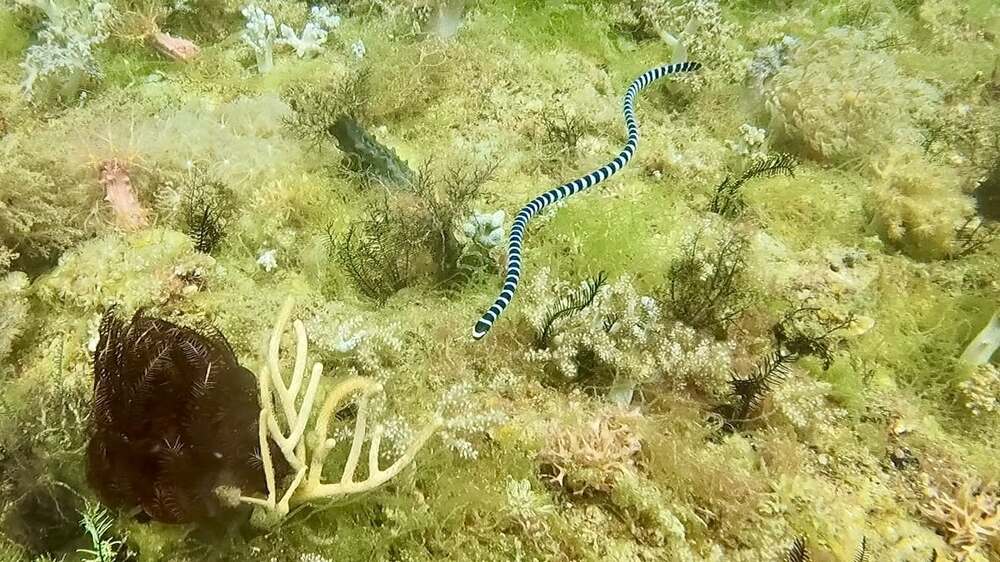
The dive plan for the next day is always decided after dinner. You can dive either at the Manta Bowl sites, at the seagrass beds and reefs near the dive center, or in the north of the island. Most divers come to Ticao Island for the manta rays. We actually only did four dives at the Manta Bowl. We saw manta rays, a whale shark in the distance, and huge schools of fish. But we liked the north better. The diving there is very diverse—reefs, steep walls plunging into the abyss, and even small caves. We focused on the small creatures and, thanks to Jan, managed to capture countless shots of them. But we also saw turtles, sea snakes, and many moray eels. The above-water scenery there is also a dream. You dive around the islets of Halea Nature Park. On trips to the north, you can also visit the Catandayagan Waterfall. We took our lunch break there. We also enjoyed diving in the seagrass beds because we love to explore. Visibility there is usually poor, but you can find all sorts of interesting creatures in the seagrass. If you don’t want to search, you should probably avoid this dive site.
(Automatically translated from German)
The dive boats are the typical outrigger boats. After the dive, you can easily get back on board via a sturdy ladder. All boats have a restroom. On board, there are towels, water, tea, coffee, fruit, and snacks. If you do three dives, lunch is served on the boat.
We had a great guide named Jan, who found even the tiniest creatures for us.
The dive plan for the next day is always decided after dinner. You can dive either at the Manta Bowl sites, at the seagrass beds and reefs near the dive center, or in the north of the island. Most divers come to Ticao Island for the manta rays. We actually only did four dives at the Manta Bowl. We saw manta rays, a whale shark in the distance, and huge schools of fish. But we liked the north better. The diving there is very diverse—reefs, steep walls plunging into the abyss, and even small caves. We focused on the small creatures and, thanks to Jan, managed to capture countless shots of them. But we also saw turtles, sea snakes, and many moray eels. The above-water scenery there is also a dream. You dive around the islets of Halea Nature Park. On trips to the north, you can also visit the Catandayagan Waterfall. We took our lunch break there. We also enjoyed diving in the seagrass beds because we love to explore. Visibility there is usually poor, but you can find all sorts of interesting creatures in the seagrass. If you don’t want to search, you should probably avoid this dive site.
(Automatically translated from German)
Pictures
.jpg)

Martin
Travelled in: March 2026, Rated on 13.04.2026, Booked with Scuba Native TauchreisenOverall
Dive Spots
Guides
Service
Facilities
Boats
no comment given